Australian Automotive Heritage

Australian automotive heritage is not a museum piece. It is a living thread that runs through daily life, old memories, and the way people still talk about cars at barbecues or on long drives.
When Australians speak about the vehicles that shaped the country there is usually a pause before the words come out.
A small moment where the mind goes back to a certain sound or a certain road or a certain feeling of being young and free behind the wheel. Heritage lives in those moments.
It is easy to think of heritage as something formal or archived yet in Australia it tends to be practical and grounded.
It sits in the dust on a ute tray after a long day. It sits in the hum of a straight six on a cool morning. It sits in the way people still nod when they see an old Falcon or Kingswood rumbling past.
These machines helped shape the character of a country that values self‑reliance and quiet capability.
A Heritage Built on Practical Ingenuity.
Australian automotive heritage begins with a simple truth.
Vehicles here had to work. They had to handle heat and distance and rough surfaces without complaint. That expectation shaped the way Australians built and used their cars.
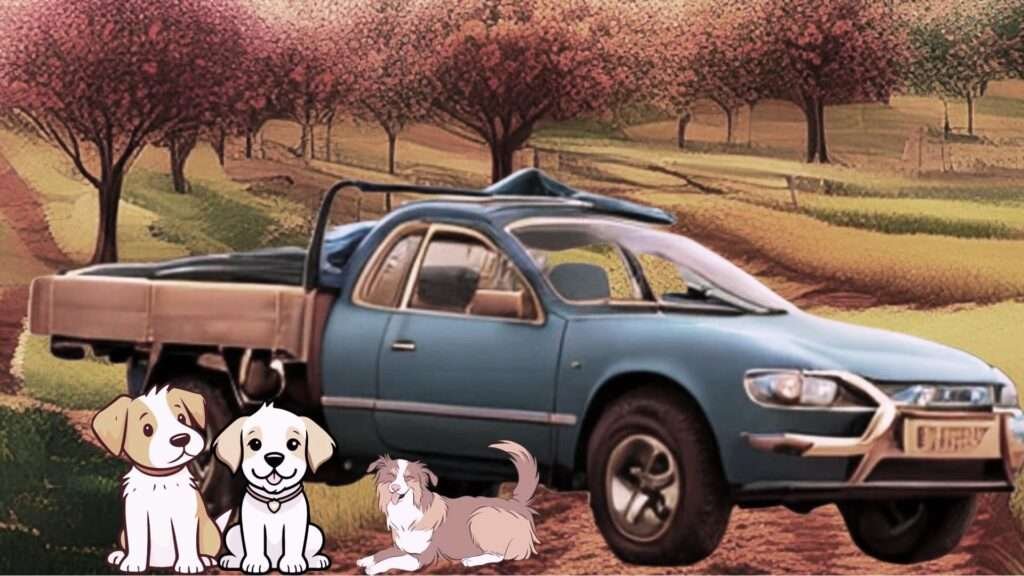
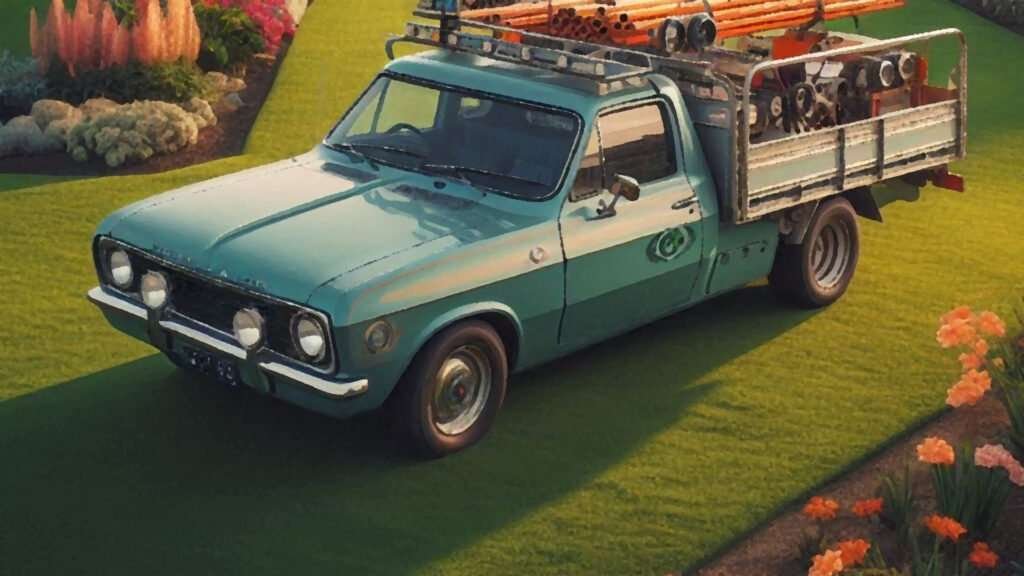
The coupe utility is the clearest example. A farmer’s wife asked for a vehicle that could carry livestock during the week and still take the family to church on Sunday. Ford listened. The result was the ute.
A uniquely Australian solution that blended work and lifestyle in a way no imported design had managed. It was a machine shaped by real needs and real conditions. You sometimes find that the most iconic innovations come from ordinary requests.
A small detail that becomes a national symbol. The ute became part of the landscape because it matched the rhythm of Australian life. Dust on the tailgate. A dog in the back.
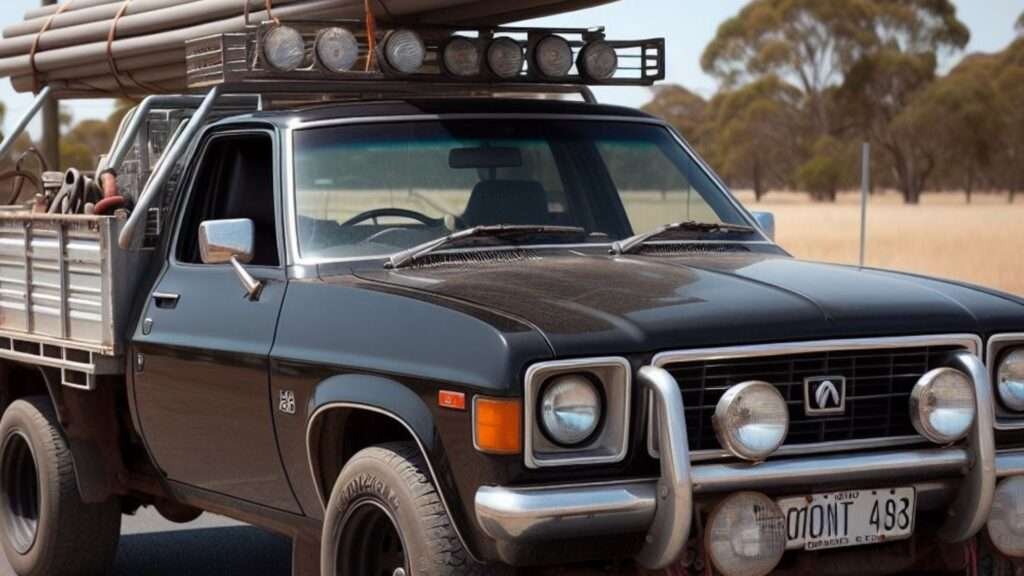
A load of timber tied down with rope that has seen better days. These images are part of the heritage as much as the engineering itself.
A counterintuitive point is that the ute’s cultural weight grew not from luxury or refinement but from its simplicity. The trade‑off was comfort.
Early utes were basic and sometimes harsh on long drives yet people loved them because they were honest machines that did what they promised.
Vehicles That Reflected a Growing Nation.
Holden’s FJ sedan in the 1950s carried a different kind of meaning.
It represented post‑war optimism and the idea that mobility could be affordable and Australian. Families bought them because they were sturdy and familiar. The sound of the engine, the feel of the bench seat, the way the cabin warmed up slowly on a winter morning all became part of everyday life.
These vehicles were not imported ideas. They were homegrown solutions that matched local expectations.
They handled corrugated roads better than many overseas models. They tolerated heat that would have pushed other cars to the edge. They were built for the distances Australians travelled without thinking twice.
Heritage often forms around small sensory cues. The click of an indicator stalk. The smell of warm vinyl.
The way the bonnet vibrated slightly at idle. These details stay with people long after the vehicle is gone. They become emotional anchors that tie memory to machinery.
A nuanced observation is that many Australians remember the feeling of these cars more than the specifications.
The emotional imprint lasts longer than the technical data. That is part of what makes heritage powerful.
Motorsport and the Culture of Connection.
Motorsport is woven deeply into Australian automotive heritage. Bathurst’s Mount Panorama is more than a racetrack.
It is a cultural landmark. People remember where they were when certain races were won. They remember the sound of V8s echoing across the mountain. They remember the tension of long straights and tight corners that punished mistakes.
Motorsport shaped the way Australians viewed performance and durability. A car that survived Bathurst earned respect.
A car that won became part of national identity. These events were not just competitions. They were shared experiences that brought people together.
Suburban car clubs added another layer. Enthusiasts gathered to restore old models, swap parts, and share stories.
These gatherings were social as much as mechanical. A place where knowledge passed quietly from one generation to the next.
A place where someone might learn how to tune a carburettor or polish chrome until it gleamed in the afternoon sun.
A small tangential observation is that many people who never attended a race or joined a club still feel connected to motorsport heritage.
It filtered into everyday life through conversations, posters in workshops, and the sound of televised races drifting through open windows on a Sunday.
The trade‑off is that motorsport heritage can sometimes overshadow quieter forms of automotive history. Yet both matter. Both shape the national story.
Manufacturing as Community Identity.
Automotive manufacturing in Australia was more than an industry. It was a source of community identity.
Factories in Adelaide, Melbourne, and Geelong provided jobs, skills, and a sense of shared purpose. People built cars that their neighbours drove. There was pride in that connection.
The closure of local manufacturing in the 2010s left a mark. Not just economically but emotionally.
Many Australians still feel a sense of loss when they see an old Australian made vehicle in good condition. It reminds them of a time when local craftsmanship felt strong and connected to everyday life.
Heritage organisations such as the Australian Motor Heritage Foundation and the Historic Motoring Federation work to preserve these stories.
They safeguard archives, documents, and vehicles so future generations can understand the depth of the industry that once thrived here.
A counterintuitive observation is that the end of manufacturing strengthened interest in heritage. People began to value what had been lost.
They restored old models. They shared stories. They recognised the importance of preserving a chapter of national identity.
The limitation is that preservation requires resources and space. Not every vehicle can be saved. Choices must be made about what to keep and why.
Heritage in Everyday Australian Life.
Australian automotive heritage is not limited to iconic models or major events. It is present in everyday experiences.
A family holiday in a wagon packed to the roof. A learner driver gripping the wheel for the first time. A long commute where the same radio station plays through the same speakers every morning.
These moments accumulate quietly. They form the emotional backdrop of ownership. A car becomes part of the household.
It carries groceries, sports gear, camping equipment, and the occasional muddy dog. It becomes familiar in a way that few objects do.
There is a sensory layer to this. The warmth of a steering wheel left in the sun. The smell of eucalyptus drifting through open windows on a country road. The sound of gravel pinging against the underside of the car. These details settle into memory.
A nuanced point is that heritage often forms without intention. People do not set out to create memories with their vehicles.
The memories simply happen. A breakdown on a lonely road that turned into a funny story. A late‑night drive home after a long shift. A quiet moment parked by the beach watching the tide roll in.
The trade‑off is that emotional attachment can make it harder to let go of an ageing vehicle. Awareness helps balance sentiment with safety.
Why These Vehicles Still Matter.
Australian automotive heritage matters because it reflects the character of the country. Practical. Inventive. Resilient.
Vehicles here had to handle heat and dust and distance. They had to be reliable companions across a landscape that could be unforgiving.
Heritage also matters because it connects generations. A grandparent might talk about their first Holden.
A parent might recall a Falcon that carried the family on countless trips. A young driver might learn to maintain an older car on a budget. These stories create continuity.
A small observation is that even people who prefer modern vehicles still feel a quiet respect for the machines that came before.
They recognise the role those vehicles played in shaping the roads, the culture, and the national identity.
The limitation is that heritage can sometimes be romanticised. Older vehicles have charm yet they also have mechanical realities.
Cooling systems age. Bushings wear. Electrical connectors corrode. Respecting heritage means acknowledging both the beauty and the burden.
Closing Thoughts.
Australian automotive heritage is a story of people and machines growing together. It is a story of innovation shaped by need.
A story of families, factories, racetracks, and long roads stretching into the horizon. It is a story carried in the sound of an engine, the feel of a steering wheel, and the memories that settle quietly into the fabric of everyday life.
Heritage lives because Australians keep telling these stories. They keep restoring old vehicles.
They keep remembering the machines that shaped their journeys. In doing so they keep the engines of history turning in the nation’s heart.