Emotional Resonance
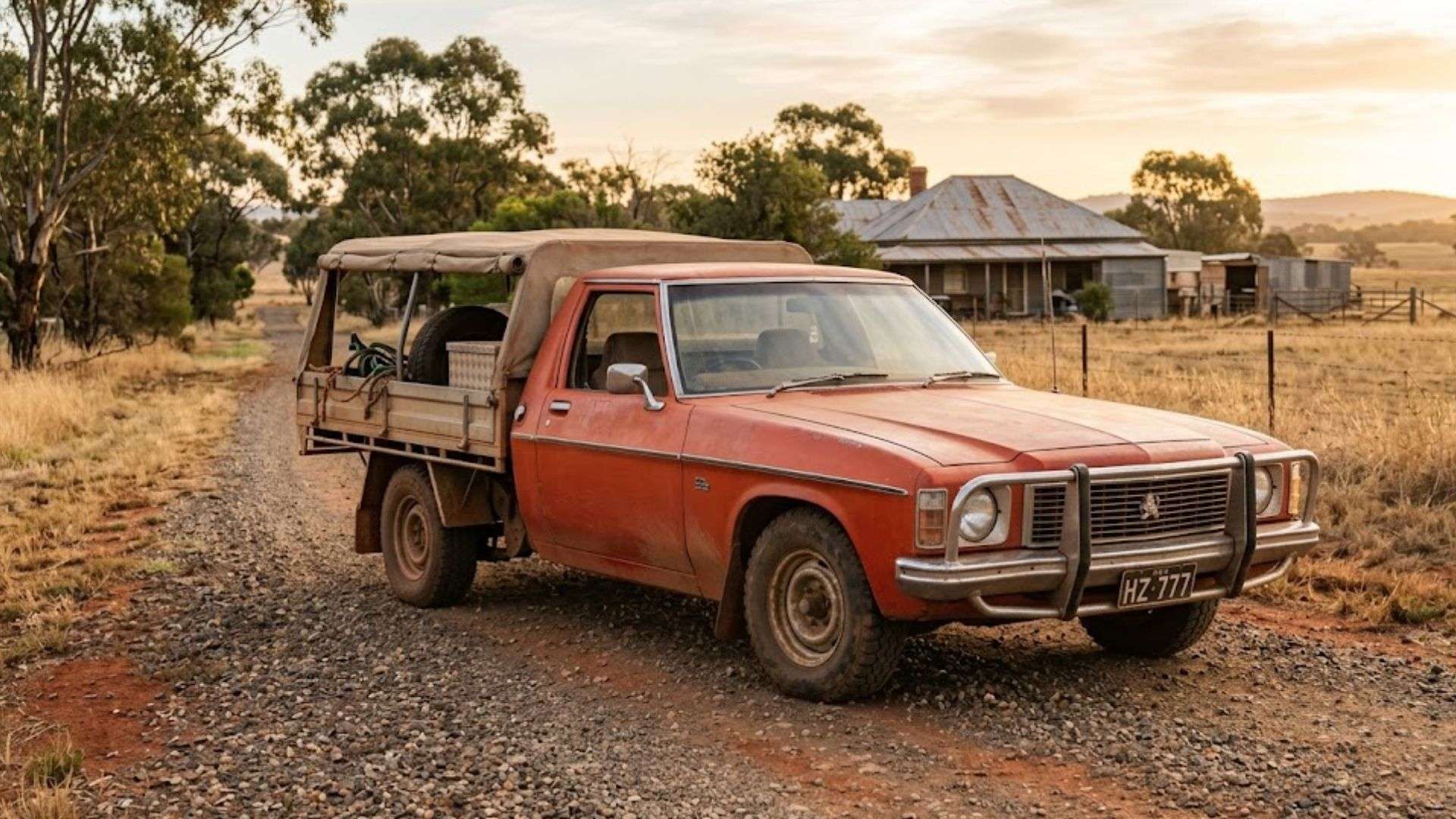
There is a quiet moment that happens when an Australian looks at a vehicle that means something to them.
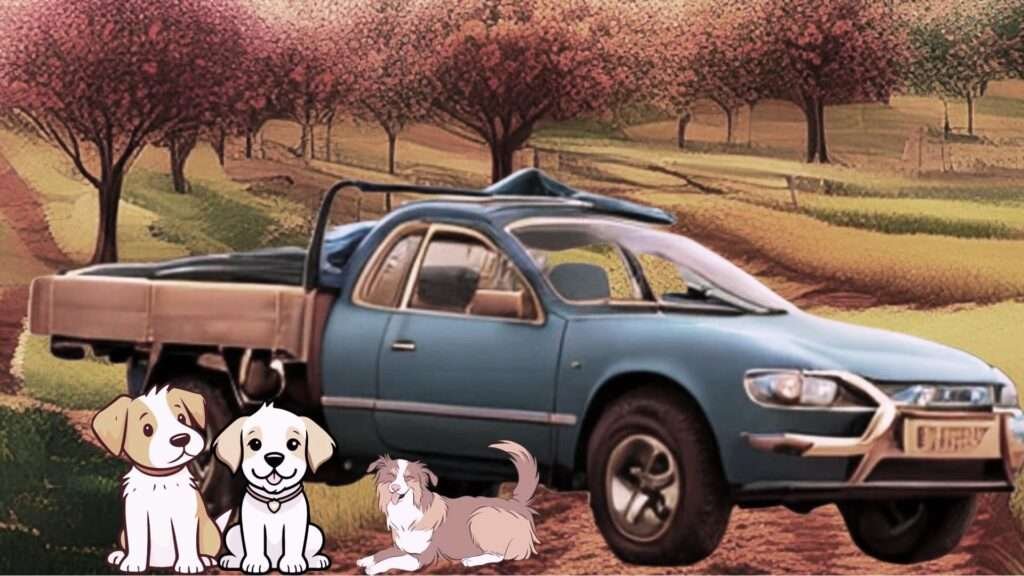
It might be a ute sitting in the driveway with a bit of red dust still clinging to the guards. It might be an older sedan with sun‑faded paint that still starts first turn on a cold morning.
Whatever the shape or badge, something settles in the chest. A small recognition. A sense that this machine carries more than metal and moving parts. It carries memory. It carries place. It carries the feeling of being at home in a wide country.
That feeling is emotional resonance. It is subtle and steady and often hard to explain, yet most Australians know it when they feel it.
Why Certain Vehicles Stay With Us.
Some vehicles leave a mark because they fit the rhythm of Australian life.
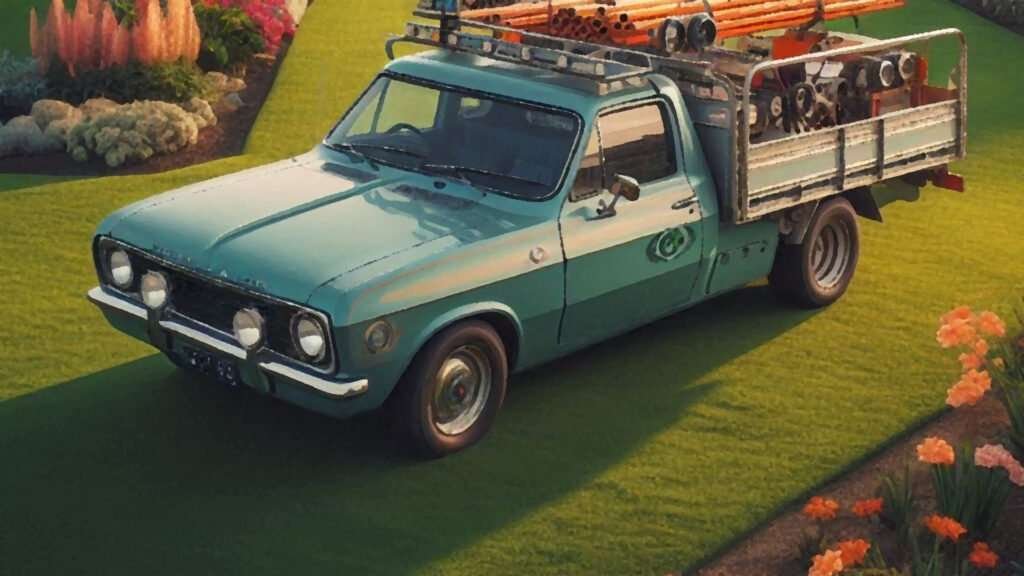
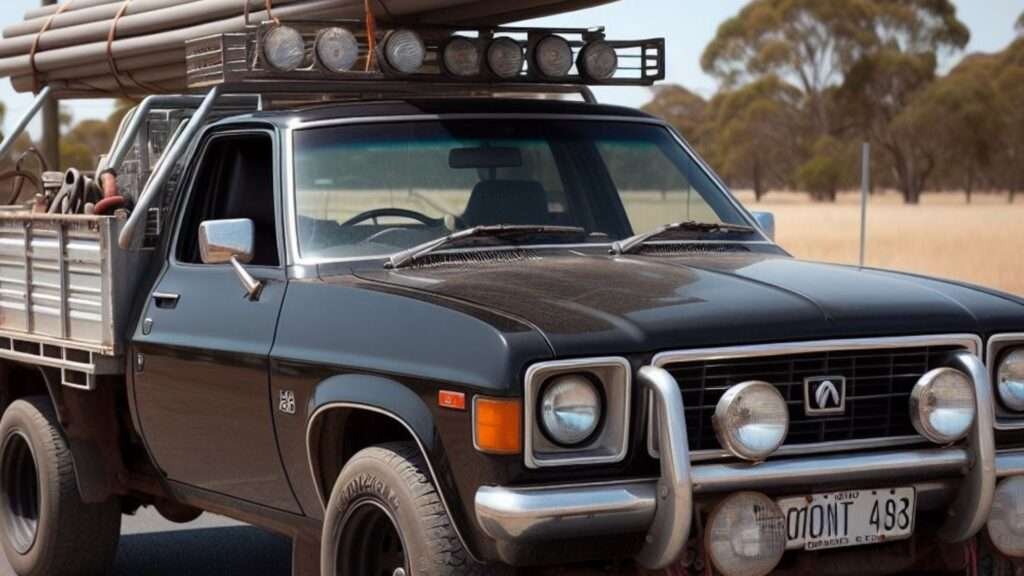
You see it in the way a ute sits level with a load of tools in the back or how an old wagon hums along a highway that stretches out like a ribbon under a hot sky. These machines feel honest.
They feel built for the distances we travel and the work we do. Even the smell of warm dust rising off a bonnet after a long drive can bring back a memory.
People often talk about vehicle heritage as if it is something abstract. In practice it is usually tied to small, physical cues.
The clunk of a heavy door. The way a V8 settles into a deep idle. The fabric of an old bench seat that still holds the shape of years of use. These details anchor the emotional response.
A counterintuitive thing happens with vehicles that resonate deeply.
They don’t need to be perfect. A small rattle or a bit of faded trim can actually strengthen the connection because it shows the vehicle has lived a life alongside its owner.
The trade‑off is that sentiment can sometimes cloud judgement when deciding whether to keep repairing an ageing car. That tension is part of the story too.
The Australian Landscape Shapes Our Affection.
Australia’s geography has a way of influencing how people feel about their vehicles. Long distances encourage a certain loyalty.
When a car has carried someone across the Nullarbor or up the Pacific Highway through summer storms it becomes more than transport. It becomes a companion of sorts.
Heat plays its part. UV fades paint and dries out plastics. Dust settles into every seam. Gravel roads chip the underside of guards.
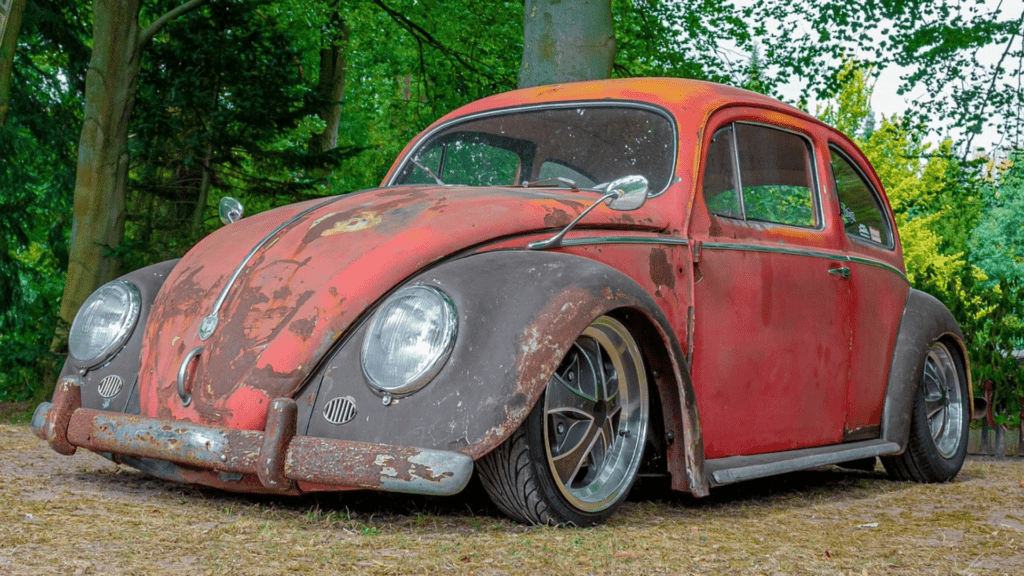
These marks become part of the vehicle’s identity. You sometimes find that a car with a few scars feels more trustworthy than one that looks untouched. It shows it has handled the country without complaint.
There is also something about the sound of tyres on coarse‑chip bitumen on a warm afternoon. It is a sound many Australians recognise instantly.
A sound that ties memory to motion. A small sensory detail that reinforces emotional resonance without anyone needing to name it.
The limitation is that the same conditions that build attachment also accelerate wear. Heat stresses cooling systems.
Dust clogs filters. Long distances increase fatigue on suspension. Caring for a vehicle in Australia means accepting that the environment shapes both the bond and the maintenance burden.
How Vehicles Become Part of Family Memory.
A lot of emotional resonance comes from repetition. The same car taking the same driveway turn every evening.
The same boot lid thumping shut before a weekend trip. The same steering wheel warming up in the sun while someone waits for a mate outside a servo. These patterns settle into memory.
Families often pass down stories tied to specific vehicles. A sedan that carried kids to school for a decade.
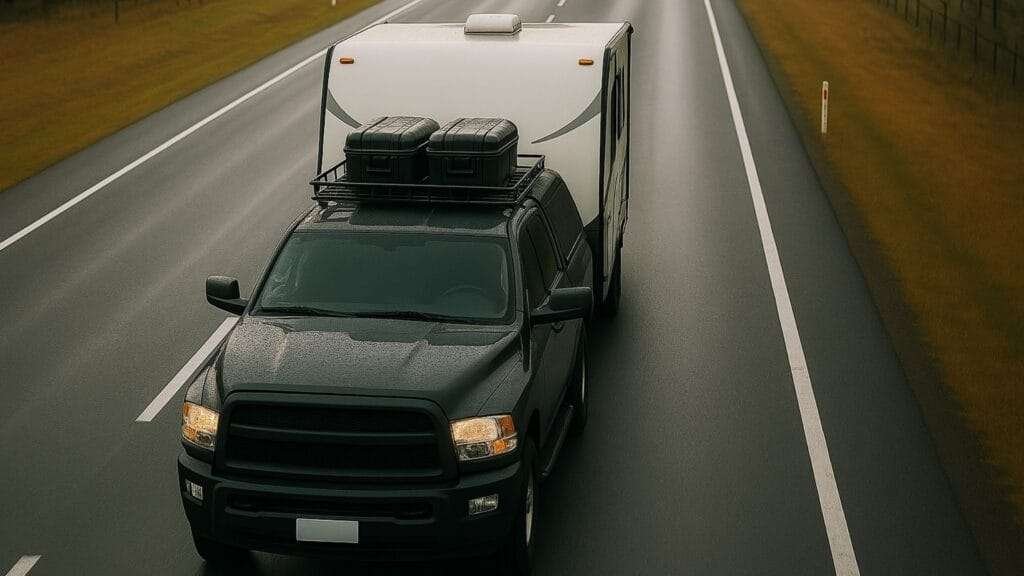
A ute that hauled firewood every winter. A wagon that survived a long holiday with a roof pod full of camping gear. These stories are rarely dramatic. They are usually small moments that accumulate over time.
There is a sensory layer to it as well. The smell of old vinyl on a hot day.
The feel of a slightly worn gear knob. The sound of a door that never quite shut cleanly unless you gave it a firm push. These details stay with people long after the vehicle has moved on.
A nuanced observation is that sometimes the emotional weight comes not from the vehicle itself but from the stage of life it represents. A first car.
A first long trip. A first job that required early starts and late finishes. The vehicle becomes a marker of that period.
The trade‑off is that emotional attachment can make it harder to recognise when a vehicle is no longer safe or economical to maintain.
Awareness helps balance sentiment with practicality.
Why Australian Made Vehicles Carry Extra Weight.
There is a particular kind of pride attached to Australian made vehicles. Falcons, Commodores, local utes and the performance models that grew out of them all carry a sense of place.
They were shaped by local roads and local expectations. They were built to handle heat, distance and rough surfaces without fuss.
People often talk about Australian manufacturing in broad terms, yet the emotional resonance usually comes from something more grounded.
The way a locally tuned suspension setup feels stable on uneven country roads. The way a big six or V8 pulls steadily when overtaking on a long highway. The way the cabin materials feel familiar because so many people grew up around them.
A small tangential observation is that even people who never owned one often feel a sense of loss when they see an old Australian made vehicle in good condition. It reminds them of a time when the local industry felt strong and connected to everyday life.
The limitation is that nostalgia can sometimes inflate expectations.
Older Australian made vehicles have charm and capability yet they also have age‑related weaknesses.
Cooling systems, bushings, electrical connectors and interior plastics all show their years. Respecting the heritage means acknowledging the mechanical reality as well.
The Role of Sensory Detail in Emotional Connection.
Emotional resonance is often triggered by sensory cues. A certain engine note. The smell of warm oil after a long drive.
The feel of a steering wheel that has softened slightly with age. These details create a bridge between memory and present experience.
You sometimes find that a vehicle with a distinctive sound or feel becomes more memorable than one that is technically superior.
A slightly lumpy idle from an older V8 can stir something that a smoother modern engine does not. A manual gearbox with a long throw can feel more engaging than a perfectly tuned automatic.
A counterintuitive point is that refinement can sometimes reduce emotional resonance. When everything is quiet and smooth and insulated the sensory link becomes weaker.
Many drivers appreciate comfort yet still miss the small imperfections that made older vehicles feel alive.
The trade‑off is that sensory richness often comes with mechanical complexity or wear.
A distinctive exhaust note might be tied to an ageing muffler. A textured steering feel might come from older suspension components.
Understanding the source of the sensation helps maintain the connection without ignoring the maintenance needs.
A Table of Emotional Cues.
| Emotional Cue |
What It Evokes |
Practical Trade‑Off |
| Engine Note |
Memory of long drives and open roads. |
May indicate ageing exhaust components. |
| Interior Smell |
Familiarity and comfort. |
Can mask leaks or moisture issues. |
| Body Scars |
Evidence of real use and resilience. |
Potential for rust or structural wear. |
| Steering Feel |
Sense of connection to the road. |
May reflect worn bushings or alignment. |
| Cabin Sounds |
Character and lived‑in warmth. |
Harder to diagnose rattles or vibrations. |
Why We Hold Onto Vehicles Longer Than Expected.
Australians often keep vehicles well past the point where other countries might trade them in.
Part of this comes from practicality. Part comes from cost. Yet a significant part comes from emotional resonance.
A vehicle that has proven itself reliable on long trips or tough conditions earns trust. Trust is a powerful thing.
It makes people more willing to maintain an older car because they know its quirks and strengths. A new vehicle might be more efficient yet it has not earned that trust.
There is also a cultural element. Many Australians grew up around vehicles that were repaired rather than replaced.
A bit of oil on the driveway or a squeaky belt was not a crisis. It was part of ownership. That mindset still shapes how people relate to their cars today.
A nuanced observation is that sometimes people hold onto a vehicle because it represents stability during a period of change.
The car becomes a constant. A familiar place in a shifting world.
The limitation is that emotional loyalty can delay necessary upgrades. Awareness helps balance sentiment with safety and practicality.
Closing Thoughts.
Emotional resonance is not about nostalgia alone. It is about the way vehicles weave themselves into the fabric of Australian life. Through heat and distance and dust. Through early mornings and long weekends.
Through the small sensory details that settle into memory.
A vehicle that resonates emotionally becomes more than transport. It becomes a quiet companion that reflects the landscape and the people who travel across it. That connection is worth understanding because it shapes how Australians care for their vehicles and how those vehicles, in turn, shape the stories of our lives.