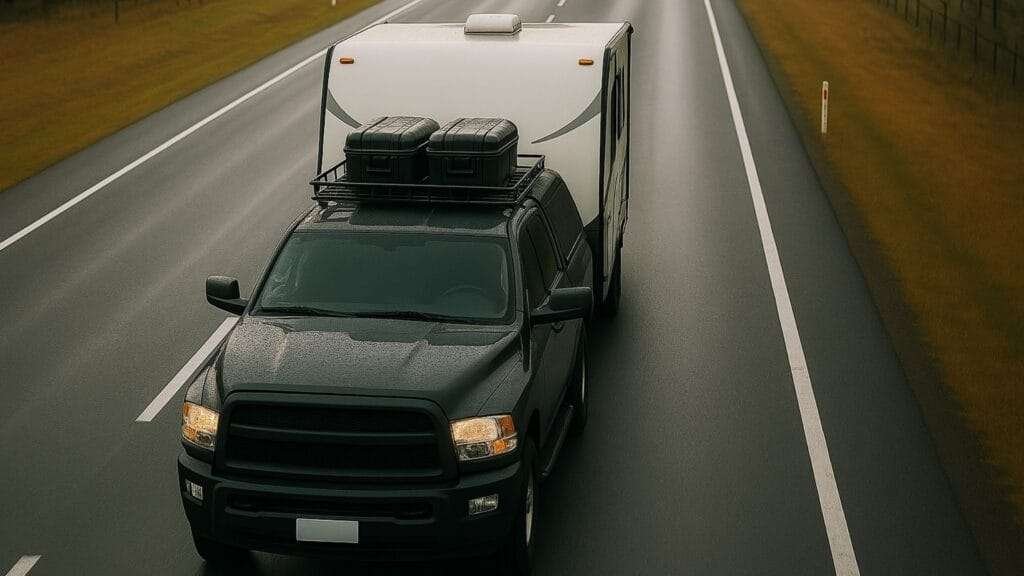
Mandatory Caravan Towing Licences
Disclaimer: This article is intended for general informational and educational purposes only. It does not constitute legal, regulatory, or professional
Mandatory Caravan Towing Licences Read More »

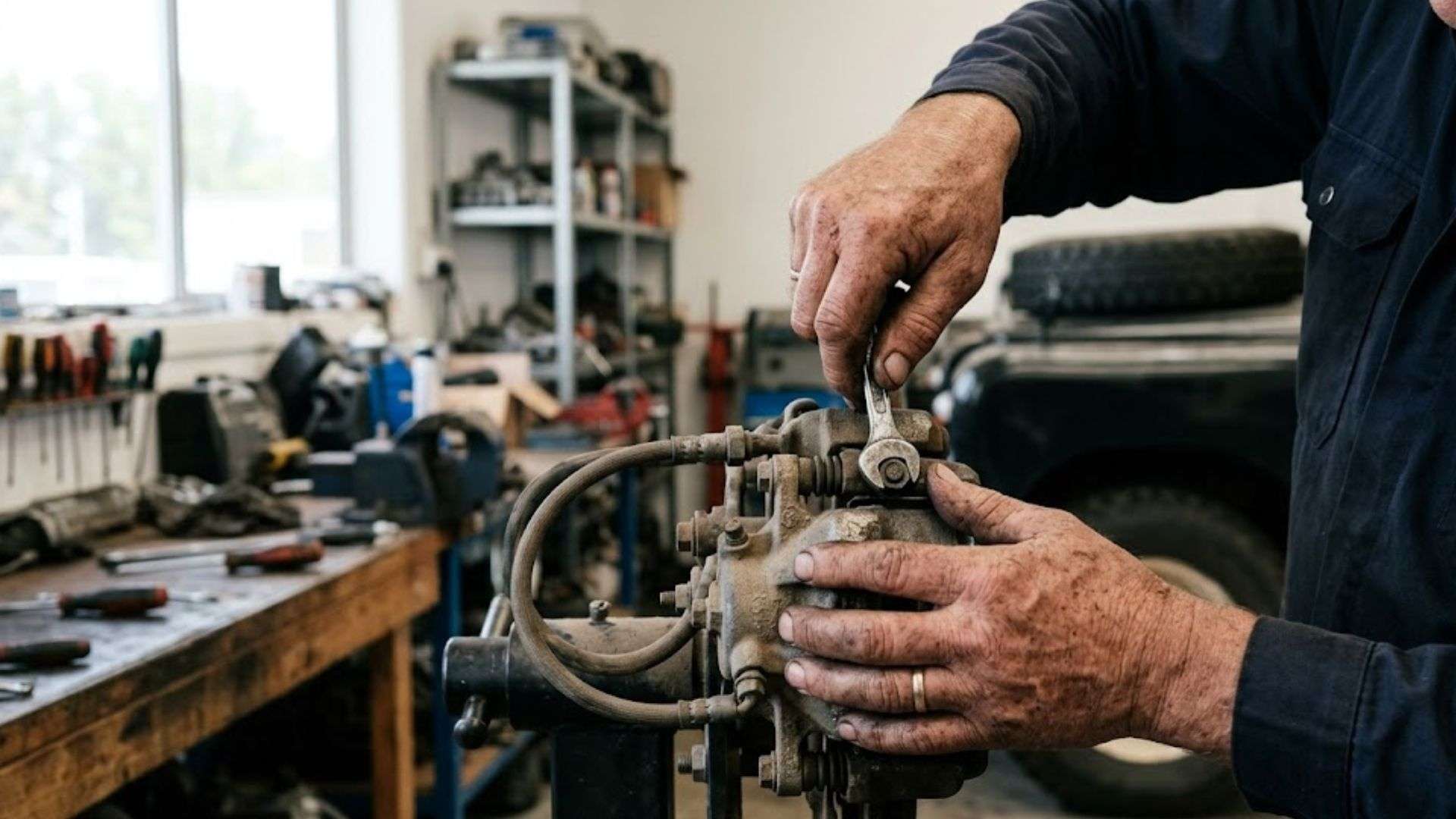
Consumer Trust sits quietly beneath the surface of the Australian automotive world from the places where we buy vehicles, where we get them maintained/serviced and the whole ecosystem that swings off it.
It shapes how people feel when they hand over their keys, choose a workshop or weigh up the cost of keeping an older vehicle on the road.
It is not loud or dramatic. It is built through small, consistent signals that tell a driver their vehicle is in safe hands.
A vehicle is more than metal, wiring and fluids. It is a tool that carries people through heat, storms, long distances and the ordinary routines of life.
Trust tends to form when drivers feel that the people supporting that tool understand what it means to them.
A simple example is the quiet relief when a mechanic explains a repair in plain language while standing beside the car, the smell of warm coolant still lingering after the bonnet has been lifted.
That moment feels grounded and real.
A counter intuitive truth is that trust can often grow strongest during small, uneventful visits rather than major repairs.
A quick tyre pressure check or a simple bulb replacement can leave a deeper impression than a complex job.
The trade off is that these small interactions must still be handled with care, because they set the tone for everything that follows.
Australia’s climate places unusual demands on vehicles. Heat bakes dashboards until they feel almost soft to the touch.
UV fades paint on older Falcons and Commodores that spend their days parked in open driveways.
Dust settles into door seals after long gravel stretches, creating a faint crunch when the door closes. These sensory details shape how drivers judge the people who maintain their cars.
I think trust grows the most when automotive professionals acknowledge these conditions without making them sound catastrophic.
A driver in regional Queensland knows their ute will face corrugated roads and summer storms. They do not need warnings.
They need clarity about how those conditions influence wear and tear. The nuance is that some components fail faster in heat, while others remain unaffected. Explaining that distinction builds confidence.
A practical limitation is that no workshop can fully predict how climate will affect every vehicle. Heat affects batteries differently depending on age.
Dust affects filters differently depending on driving habits and naturally, trust grows when these uncertainties are acknowledged rather than glossed over.
Mechanical work is technical, but trust is about as human a thing I can think of. A driver may not understand torque specifications or diagnostic data, yet they recognise the sound of a rattle that should not be there.
They notice when a steering wheel feels slightly off centre after a wheel alignment. They sense when a brake pedal feels firmer than usual after new pads are fitted.
These small cues influence trust more than any technical explanation.
A counter intuitive observation is that people often trust what they can feel more than what they are told. A smooth idle after a service speaks louder than a printed checklist.
There is a trade off here. Mechanical systems do not always behave perfectly straight after work is completed.
New pads can squeak slightly during bedding in. Fresh tyres can feel vague until the mould release wears off.
Trust is surely going to grow when these realities are explained upfront, not after the customer returns with concerns.
A small tangential detail many drivers recognise is the faint smell of new rubber after tyres are fitted. It is a harmless scent, yet it often reassures people that something tangible has been done.
The Australian automotive ecosystem relies on relationships that stretch across years. A driver may return to the same workshop through multiple vehicles, from a first car on P plates to a family SUV many years later.
Trust becomes a thread we sow to keep to best manage those transitions.
These relationships are shaped by patterns rather than single events.
A workshop that hands us back our vehicles washed, with the dash wiped over and with clean floor mats, tyres correctly inflated, properly torqued wheel nuts (not because they have to, but because they want to) builds trust without needing to say much about it. The nuance is that trust is rarely built through grand gestures. It grows through repetition.
A practical limitation is that long-term trust can be fragile. One rushed job or one unclear explanation can unsettle a customer who has been loyal for years. This does not mean perfection is required.
It means communication must remain steady, even during busy periods when the workshop floor smells of hot oil and the phone rings constantly.
A small human detail that often strengthens trust is remembering a customer’s vehicle by sight.
Not the name, not the registration, but the actual car. People notice when their ageing Corolla or well-used Triton is recognised.
Trust does not sit only between a driver and a mechanic. It flows through the entire automotive ecosystem.
Manufacturers, parts suppliers, tyre fitters, panel shops, roadside assistance providers and recyclers all contribute to the experience a driver has with their vehicle.
A counter intuitive point is that trust can be influenced by people the customer never meets.
A well-made component from a reliable supplier reduces the chance of repeat failures. A transparent recall process from a manufacturer reassures drivers even if their own vehicle is unaffected. These actions shape our auto ecosystem in a way that instills trust and peace of mind.
A practical trade off is I suppose that workshops rely on suppliers who may face delays, shortages or inconsistent stock quality.
When a part arrives late or does not fit correctly, the workshop must balance honesty with practicality. Most drivers appreciate being told the truth, even if it means waiting another day.
A small tangential observation is that many drivers still recognise the sound of a delivery van pulling up with parts. It is a reminder that vehicles are kept running through a network of people, not just the person holding the spanner.
Drivers make maintenance decisions based on confidence, not pressure. When we feel trust towards the people tasked with helping us, I think we are more likely to approve preventative work, even though it’s not cheap these days, we trust in the people doing the work, so we’re potentially more likely to keep up with servicing and address small issues before they become large ones. This is especially true for older vehicles that carry sentimental value or serve as daily workhorses.
A counter intuitive insight is that trust can reduce unnecessary spending. When drivers believe a workshop is honest, they feel comfortable declining optional work without fear of consequences. This freedom strengthens the relationship rather than weakening it.
A practical limitation is that some maintenance decisions involve uncertainty. A coolant hose may look aged but still have months of life left.
A battery may test borderline but continue working through winter. Trust grows when these grey areas are explained clearly, allowing the driver to choose based on their own comfort level.
A sensory detail many Australians recognise is the feel of a slightly rough idle in an older car on a cold morning. It is a reminder that vehicles age gradually, and trust helps people navigate those changes.
Safety sits at the heart of automotive trust. Drivers rely on brakes that bite cleanly, tyres that grip in summer storms and airbags that deploy when needed. These systems are rarely seen, yet they carry enormous responsibility.
A counter intuitive truth is that safety trust is often built through routine maintenance rather than emergency repairs.
A simple brake fluid change or tyre rotation can reinforce confidence more effectively than a major repair after a failure.
A practical trade off is that safety components sometimes require replacement earlier than expected due to heat, load or driving style. Explaining why a part has worn faster than the owner anticipated helps maintain trust, especially when the cost feels inconvenient.
A small human detail is the quiet moment when a driver tests their brakes after leaving a workshop. That first press of the pedal tells them more about safety than any conversation.
Australia’s automotive heritage influences how people think about trust. Many drivers grew up around Falcons, Commodores, Hiluxes and Patrols. These vehicles created expectations about durability, simplicity and mechanical honesty. Even modern cars are judged through that lens.
A counter intuitive observation is that heritage can raise expectations for new technologies. Drivers who remember older vehicles being easy to understand sometimes expect the same clarity from hybrid systems or advanced driver assistance features.
Trust grows when these systems are explained without jargon.
A practical limitation is that modern vehicles contain software-driven components that behave differently from traditional mechanical systems.
A gearbox that adapts to driving style may feel inconsistent at first. A regenerative braking system may change pedal feel depending on battery charge. Trust forms when these behaviours are normalised rather than treated as faults.
A sensory detail that connects old and new generations is the sound of gravel pinging against the underbody on rural roads. It reminds drivers that no matter how advanced a vehicle becomes, it still lives in the real world.
Trust in the Australian automotive industry is built through steady, human interactions that respect the realities of driving, climate and daily life.
It grows through clarity, consistency and the quiet understanding that vehicles matter deeply to the people who rely on them.
When the feeling of trust is present, the entire ecosystem feels more stable, more grounded and more connected to the needs of everyday Australians.
Disclaimer: This article is intended for general informational and educational purposes only. It does not constitute legal, regulatory, or professional
Mandatory Caravan Towing Licences Read More »

Disclaimer: The content of this article reflects the author’s personal views, thoughts, and ideas only. It is provided for general
A Comprehensive Guide to Car Headlights Read More »

Disclaimer: The content of this article reflects the author’s personal views, thoughts, and ideas only. It is provided for general
Essential Safety Tips for Night Driving Read More »

Disclaimer: The content of this article reflects the author’s personal views, thoughts, and ideas only. It is provided for general
15 Essential Vehicle Ownership Tips Read More »

Disclaimer: The content of this article reflects the author’s personal views, thoughts, and ideas only. It is provided for general
Varying Driver Visibility Between Vehicles Read More »
Disclaimer: The content of this article reflects the author’s personal views, thoughts, and ideas only. It is provided for general
SUV Visibility Consideration is Crucial Read More »
Disclaimer: The content of this article reflects the author’s personal views, thoughts, and ideas only. It is provided for general
Work Vehicle Insurance Read More »

Disclaimer: The content of this article reflects the author’s personal views, thoughts, and ideas only. It is provided for general
Small Truck for Young Tradespeople Read More »

Disclaimer: The content of this article reflects the author’s personal views, thoughts, and ideas only. It is provided for general
Evolution of Car Stereo Systems Read More »

Disclaimer: The content of this article reflects the author’s personal views, thoughts, and ideas only. It is provided for general
2023 Subaru Forester Hybrid S Tyres Read More »
Disclaimer: The content of this article reflects the author’s personal views, thoughts, and ideas only. It is provided for general
Three truly amazing Hybrid Vehicles Read More »
Disclaimer: The content of this article reflects the author’s personal views, thoughts, and ideas only. It is provided for general
Is It Worth Getting A Towbar installed Read More »
Is it worth getting car window tinting? As the temperature rises and the sun shines brighter, it’s time to consider
Is Car Window Tinting Worth The Money Read More »

Disclaimer: The content of this article reflects the author’s personal views, thoughts, and ideas only. It is provided for general
Is It Worth Buying Roof Racks Read More »
Disclaimer: The content of this article reflects the author’s personal views, thoughts, and ideas only. It is provided for general
My Top 7 Midsize Luxury SUV Rankings Read More »

Disclaimer: The content of this article reflects the author’s personal views, thoughts, and ideas only. It is provided for general
What Tools Should I Pack In The Trunk Of My Car Read More »

Disclaimer: The content of this article reflects the author’s personal views, thoughts, and ideas only. It is provided for general
Vehicle Rooftop Cargo Bags & Boxes Read More »
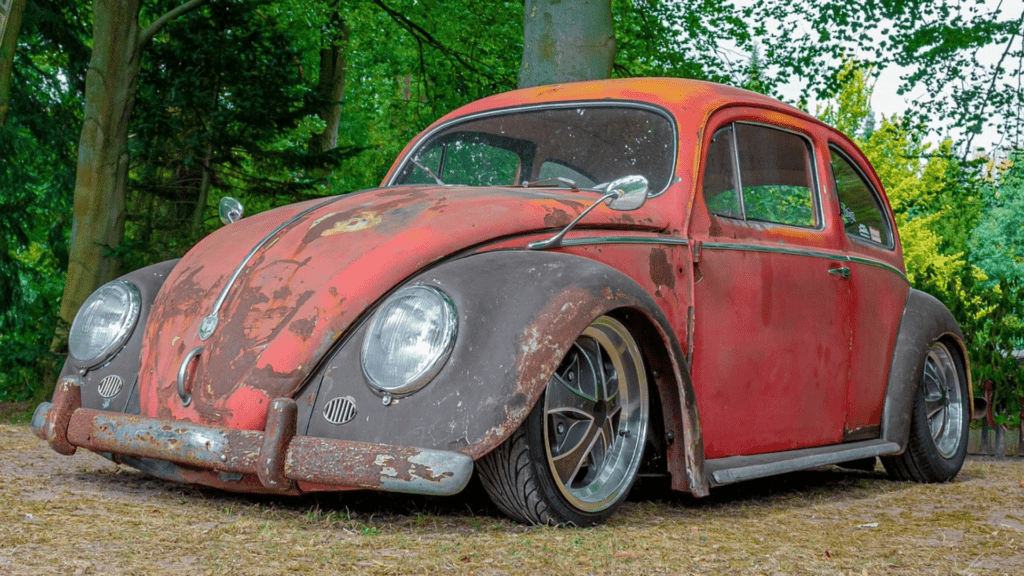
Disclaimer: The content of this article reflects the author’s personal views, thoughts, and ideas only. It is provided for general information
Give your CAR’S paint job a birthday Read More »

Disclaimer: The content of this article reflects the author’s personal views, thoughts, and ideas only. It is provided for general
Scratched or dented your first car? Read More »
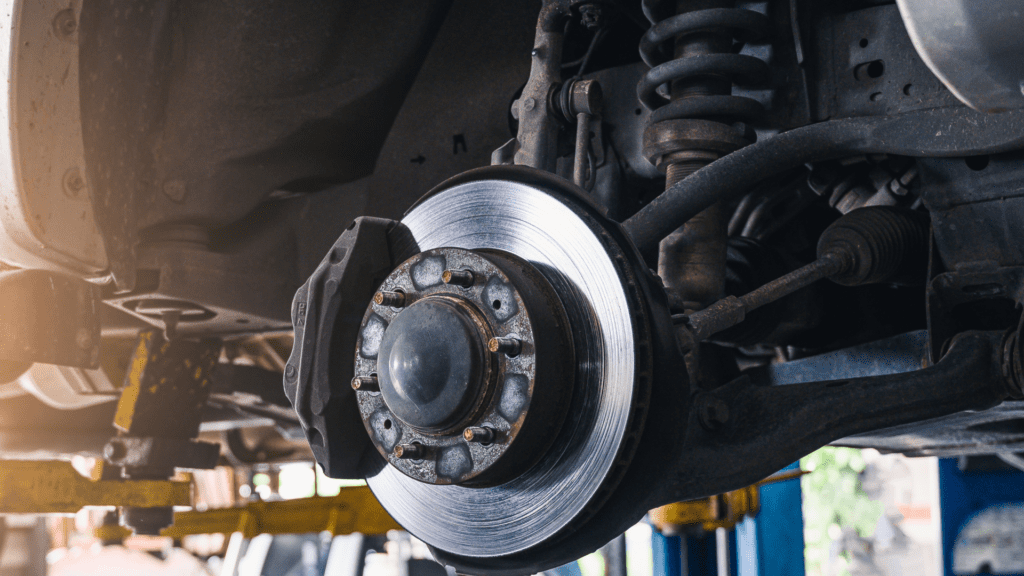
Disclaimer: The content of this article reflects the author’s personal views, thoughts, and ideas only. It is provided for general information
Your brakes, steering & suspension Read More »

Disclaimer: The content of this article reflects the author’s personal views, thoughts, and ideas only. It is provided for general information
Replace engine or vehicle Read More »

Disclaimer: The content of this article reflects the author’s personal views, thoughts, and ideas only. It is provided for general
Quality Headlights might save your life Read More »