Design Grandeur
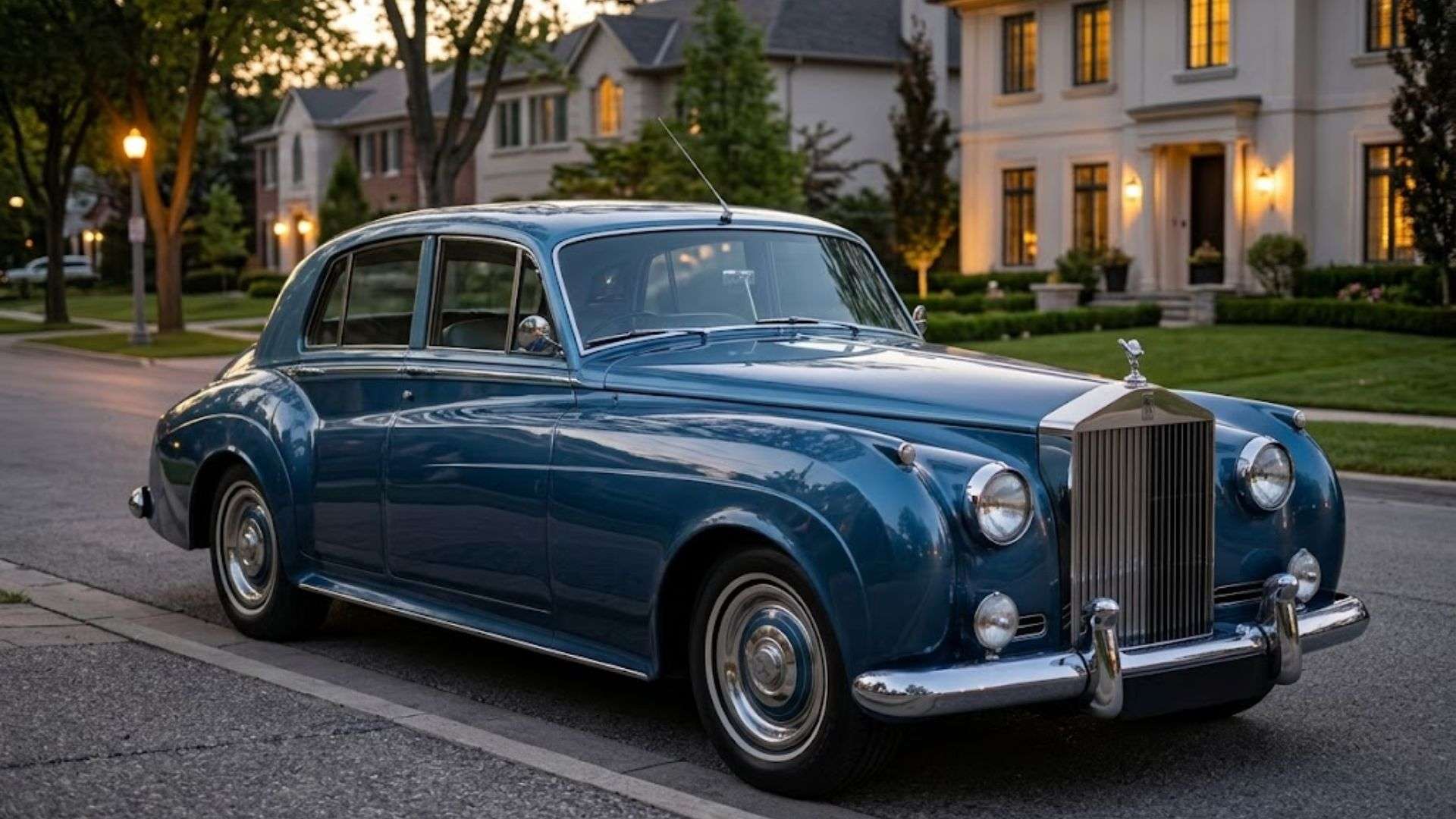
Design grandeur is one of those ideas people recognise long before they can explain it. You see a car glide past on a quiet street or sit patiently at a set of lights and something about its shape feels deliberate.
Not loud. Not trying to impress anyone. Just carrying itself with a kind of quiet ceremony.
The proportions, the stance, the way the light moves across the panels, it all works together in a way that feels almost architectural. You don’t need to know the badge to sense the intention behind it.
Some cars do this naturally. Others try and never quite get there. And the interesting part is that grandeur isn’t tied to size or price.
It’s tied to choices. Choices designers make about shape, balance and the way a vehicle occupies space.
Choices that influence how Australians respond to a car when they see it parked under a gum tree or rolling down a long, sun‑bleached highway.
This article looks at what gives a vehicle that sense of importance. Not the flashy kind. The grounded, confident kind that tends to last.
Proportion as the First Language.
Most people don’t consciously analyse proportions, yet they feel them. A long bonnet stretching forward like a slow breath.
A cabin set back just enough to suggest calm authority. A rear overhang that balances the whole shape.
These cues work on the same part of the brain that responds to well‑designed buildings or furniture. They feel right before they make sense.
In Australia, where cars often sit exposed in driveways or on open roads, proportion becomes even more noticeable.
The sun exaggerates lines. Shadows deepen under sills.
A car with balanced geometry looks composed even when coated in dust after a run along a gravel road.
A counterintuitive truth is that grandeur often comes from restraint. Designers sometimes talk about “doing less but doing it perfectly”.
A shorter overhang or a slightly taller roofline can shift the whole character. And there’s always a trade‑off.
A long bonnet looks majestic, but it can reduce cabin space. A tall greenhouse feels airy, but it can increase drag.
Grandeur accepts these compromises because the overall presence matters more than squeezing out every millimetre of efficiency.
One small observation: people often describe grand cars as “solid” even before touching them. That’s proportion doing its work.
The Power of Clean Surfaces.
Walk past a car with true design grandeur and you’ll notice how calm the bodywork feels. Large, uninterrupted panels.
A shoulder line that runs straight and steady from front to back. No unnecessary creases or vents. The metal almost looks like it’s been poured rather than stamped.
This simplicity is harder to achieve than it looks. Big panels show imperfections. They demand precision.
In the Australian sun, where reflections stretch across the length of a car, any inconsistency becomes obvious. That’s why grand designs often feel expensive even when the car itself isn’t.
A nuanced point here: clean surfacing doesn’t mean flat surfacing. Subtle curvature, the kind you only notice when the afternoon light hits the door at an angle, gives a car quiet strength.
It’s a bit like the gentle bulge of a fender that hints at capability without shouting about it.
The trade‑off is manufacturing cost. Simpler shapes require more accuracy, not less. But the payoff is a vehicle that looks composed even after years of weathering, dust and the occasional carpark scuff.
Sometimes you see a car with one unnecessary crease and think, almost instinctively, that it would look better without it. That’s the human eye defending grandeur.
The Upright, Confident Face.
A car’s front end sets the tone. An upright grille, tall and deliberate, gives a sense of presence that angled, aggressive designs rarely match.
It’s the difference between a firm handshake and a clenched fist. One welcomes attention; the other demands it.
In Australia, where road trains, utes and SUVs share space, a confident face helps a vehicle hold its own visually.
Not through intimidation, but through clarity. A vertical grille pushes air over the bonnet rather than through it, which subtly changes how the car feels when viewed from the side. It creates a sense of height and formality.
Lighting plays a role too. Simple rectangular or softly rounded headlights often feel more timeless than complex LED signatures.
They age better. They also reflect light in a way that feels more natural, especially at dusk when the sky turns that soft pink you see on coastal highways.
A counterintuitive detail: smaller headlights can sometimes feel more luxurious than larger ones. They suggest precision. But the trade‑off is reduced visual drama, which some buyers expect. Grandeur chooses precision.
And every now and then you notice a car where the grille and headlights seem to “listen” rather than “speak”. That’s when the design is working.
Lighting as Architecture, Not Decoration.
Lighting is one of the easiest places for designers to overdo things.
Sharp angles, zig‑zag signatures, animated sequences, they all look impressive in a showroom. But grandeur prefers lighting that feels structural. Something that belongs to the car rather than something stuck onto it.
In Australia, where headlights often pick up dust, insects and the occasional grass seed, simpler shapes tend to stay visually cleaner.
A horizontal taillight that stretches across the rear can make a car feel wider and more stable.
A vertical blade can make it feel taller and more formal. Both approaches work when they’re integrated into the body rather than floating above it.
A nuanced observation: the most expensive‑looking lights are often the least complicated. A single line of illumination, perfectly even, can feel more refined than a cluster of LEDs fighting for attention.
The trade‑off is that simple designs require better materials. Cheap plastics yellow in the sun. Poor sealing fogs up in humidity. Grandeur demands durability.
Sometimes you see a taillight glowing softly through a thin layer of red dust after a long drive and think it looks better that way. That’s lighting doing its job quietly.
Presence Through Mass and Stance.
Grandeur isn’t about size, but it does rely on the illusion of mass. A car that looks planted feels trustworthy.
Wide tracks, wheels that fill the arches and a roofline that sits confidently rather than swooping dramatically all contribute to this sense of stability.
Australian roads amplify this effect. A car that looks stable on a smooth city street can feel nervous on a corrugated rural road.
Designers who understand grandeur build in a sense of weight even when the vehicle is relatively light.
A counterintuitive truth: larger wheels don’t always create grandeur. Sometimes a slightly smaller wheel with a taller tyre gives a more grounded look, especially on uneven surfaces.
The trade‑off is visual sharpness. But the gain is authenticity.
One small tangent: people often describe a car as “sitting right” without being able to explain why. That’s stance. It’s the automotive equivalent of posture.
Heritage Without Costume.
Grandeur often draws from history, but it never copies it outright. A hint of a classic roofline. A subtle chrome frame around the windows.
A proportion that echoes older sedans without becoming nostalgic. Australians tend to appreciate this balance because it respects the past without pretending to live in it.
Chrome is a good example. Too much and it feels dated. Too little and the car loses definition.
Used sparingly, around the grille, along the beltline, it catches the sun in a way that feels deliberate. On a bright day, that thin line of metal can make the whole car look more formal.
The trade‑off is maintenance. Chrome shows fingerprints and dust. But grandeur accepts that some things are worth looking after.
A quiet truth: heritage works best when you don’t notice it immediately. It should feel familiar, not nostalgic.
A Table of Key Elements.
| Design Element |
What It Contributes |
Trade‑Off |
| Proportion |
Creates balance and presence. |
Can reduce interior space. |
| Clean Surfacing |
Feels calm and expensive. |
Requires precise manufacturing. |
| Upright Grille |
Adds confidence and formality. |
Can increase drag. |
| Simple Lighting |
Ages gracefully and feels refined. |
Less visual drama. |
| Strong Stance |
Suggests stability and control. |
May limit wheel design options. |
Why Grandeur Still Matters.
Even as electric vehicles reshape the industry and crossovers dominate sales charts, design grandeur remains relevant.
Maybe even more so. In a world full of rounded, efficiency‑driven shapes, a car with clear architectural intent stands out.
It feels like an object built with purpose rather than a product shaped by algorithms.
Australians notice this. Whether it’s a long sedan gliding through city traffic or a boxy SUV parked beside a dusty rural fence line, grandeur carries a sense of occasion.
It reminds people that cars can still feel special without being flashy and perhaps that’s the quiet truth behind it all. Grandeur isn’t about showing off. It’s about showing care.